Science Overview
This page summarizes published research related to Leptocarpha rivularis and relevant botanical compound classes (e.g., polyphenols). All benefit language is presented in conservative structure/function format consistent with U.S. dietary supplement regulations.
Ingredient identity & standards
Scientific Context
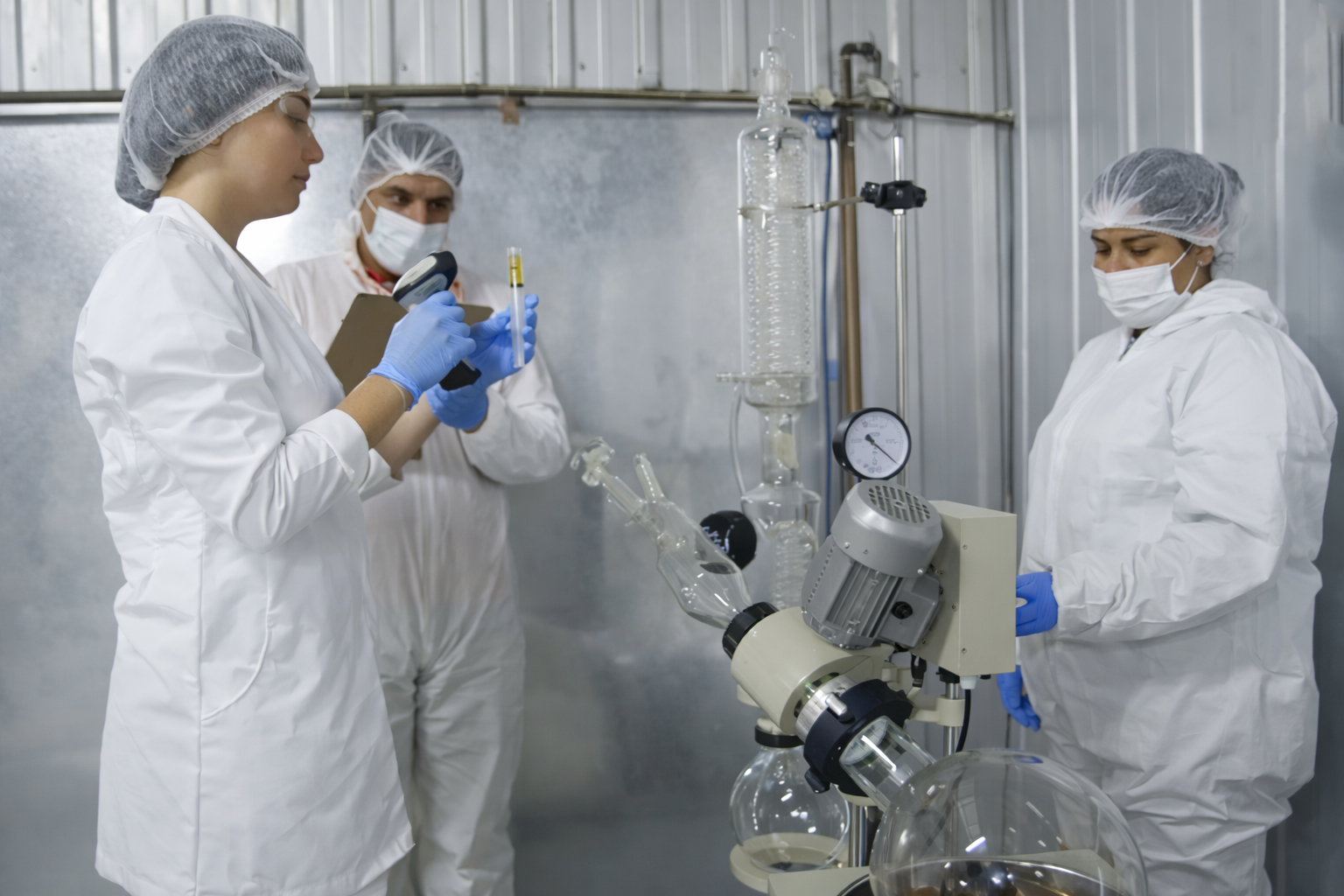
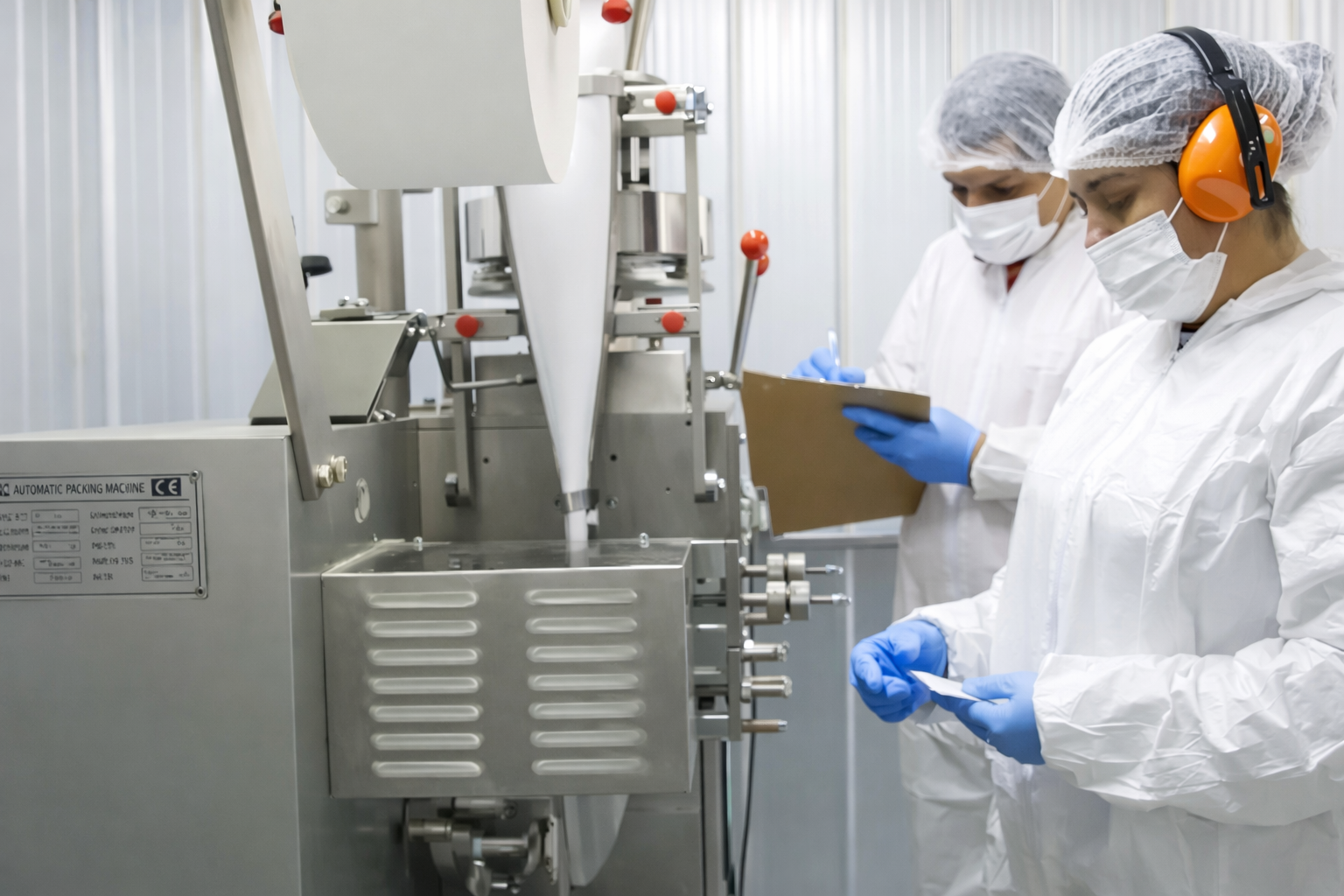
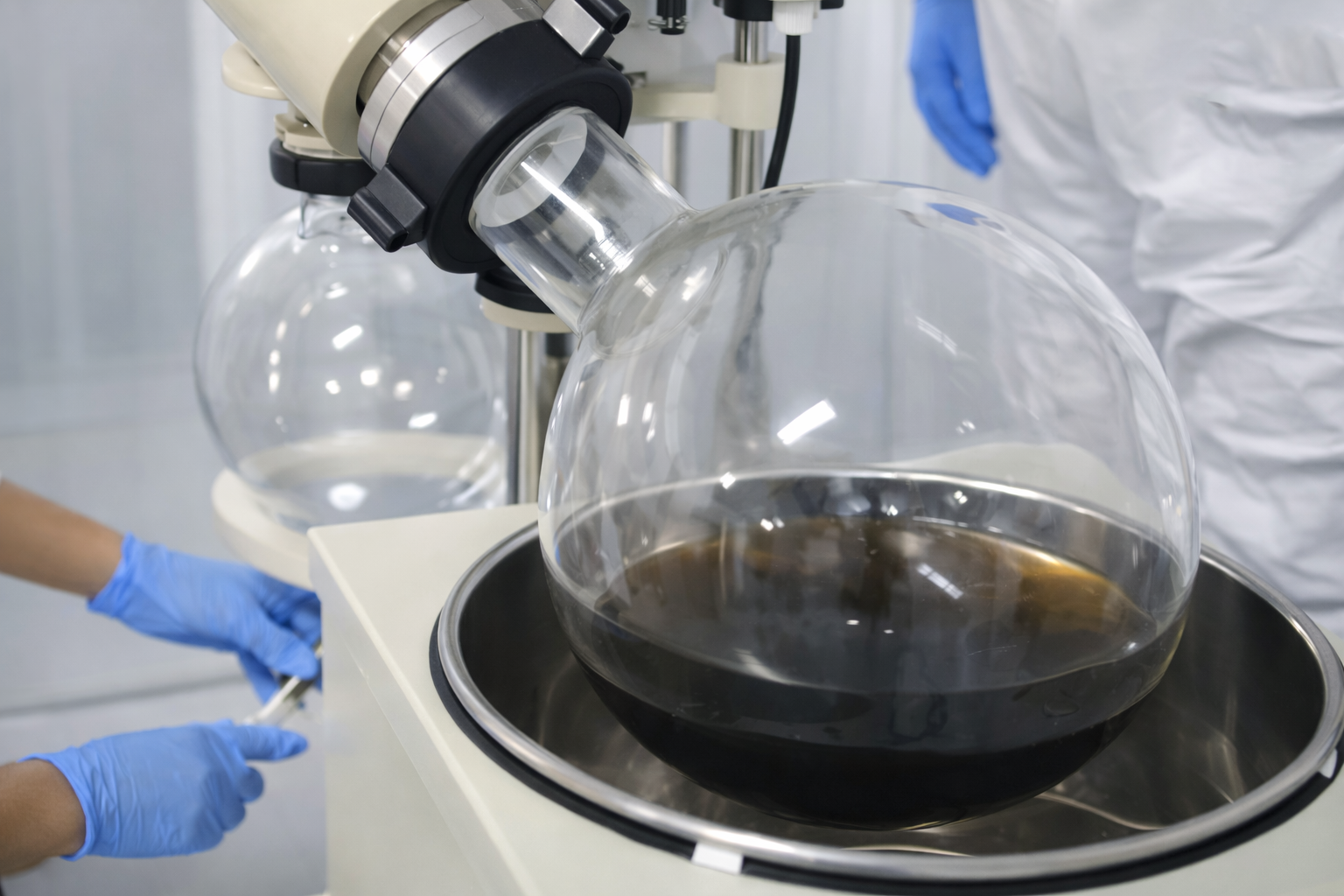
Published laboratory, analytical, and compound-class research provides context for understanding the botanical composition and biological pathways studied in relation to Leptocarpha rivularis. These visuals represent the types of scientific environments in which such research is conducted.
Structure/function positioning
We use conservative structure/function language suitable for U.S. dietary supplement communications. We do not link studies directly under claims to avoid implied disease claims.
Supports healthy glucose metabolism.
Helps maintain healthy blood sugar levels already within the normal range.
Supports healthy carbohydrate metabolism and cellular energy utilization.
Supports a healthy inflammatory response.
Supports balanced immune signaling and cellular resilience.
Supports the body’s response to everyday oxidative stress.
Provides antioxidant support.
Supports cellular defense pathways involved in maintaining normal function.
Research overview
LEPTI-P40™ research context includes published literature and internal analytical work on Leptocarpha rivularis and relevant botanical compound classes. Work spans laboratory analysis, preclinical explorations, and compound-class human literature on polyphenols.
Multiple analytical and profiling studies characterize the chemistry and antioxidant capacity of extracts and fractions derived from Leptocarpha rivularis.
A series of laboratory and preclinical studies have explored metabolic enzyme interactions and biological pathways relevant to normal glucose handling and cellular signaling (with clear distinction from human outcomes).
Published human studies on botanical polyphenols (e.g., quercetin, chlorogenic acid) provide context for the types of pathways botanicals may support in normal metabolic and cellular function.
Research resources
~4–6 analytical chemistry and profiling studies on composition and antioxidant capacity.
~2–4 preclinical explorations on enzyme interactions and cell-level pathways relevant to metabolism and signaling (note: not human disease outcomes).
~10–15 published human studies on polyphenols and related botanical compounds supporting metabolic balance and cellular pathways (referenced for context only).
How to interpret the science
Not all studies are equivalent. Some research characterizes chemical composition, some explore biological pathways in laboratory settings, and some human research examines botanical compound classes for normal bodily function. This section explains what each type tells us — in a conservative, compliant way.
Chemical profiles and antioxidant capacity assessments help define the botanical’s composition. These analyses do not establish efficacy in humans.
Laboratory and enzyme studies offer insight into how botanical extracts may interact with pathways involved in normal metabolic and cellular function. These do not constitute proof of human outcomes.
Human studies on known botanical polyphenols provide contextual insight into biological pathways that may support normal bodily function. These are referenced for context, not as finished product proof.
Cultivation
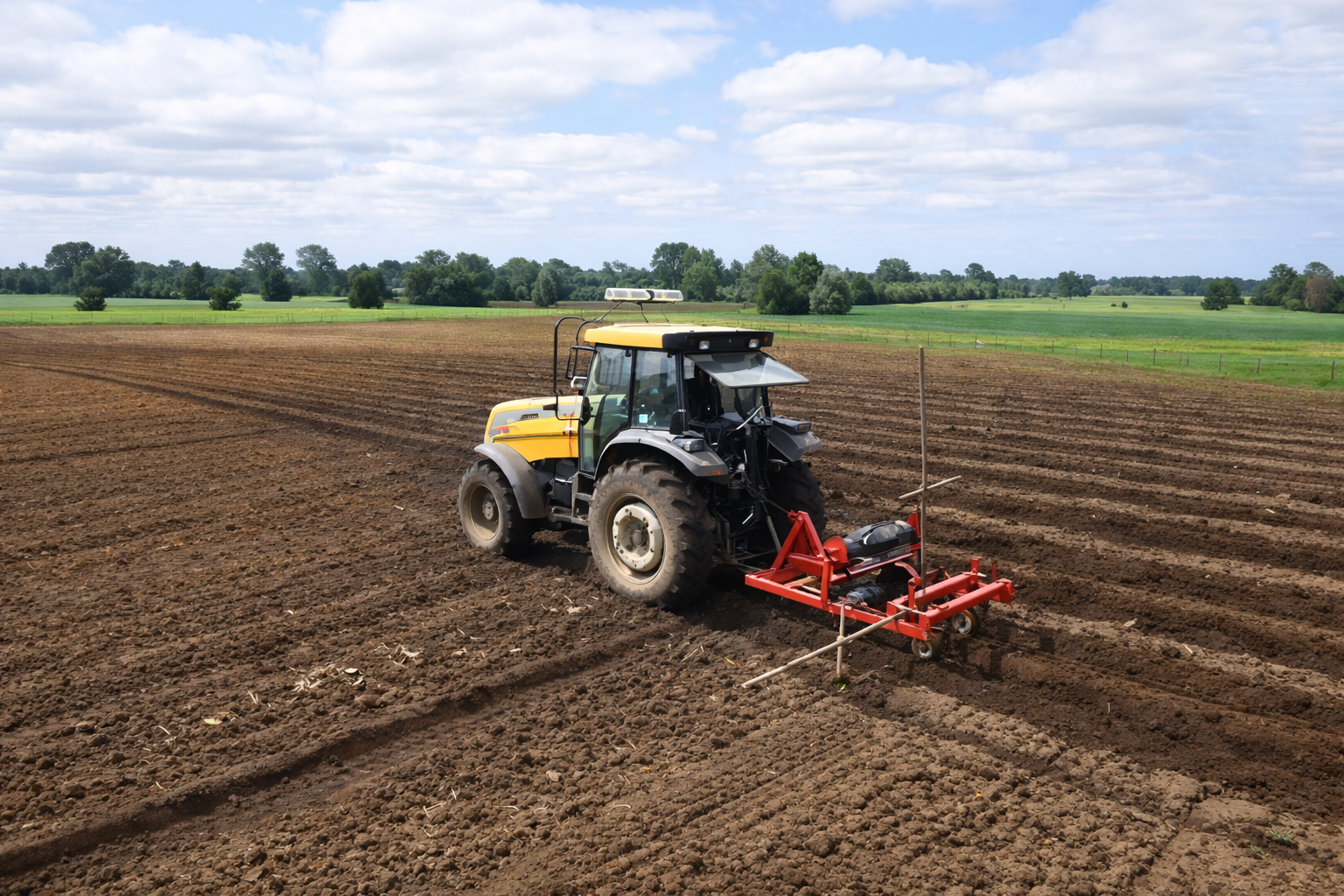
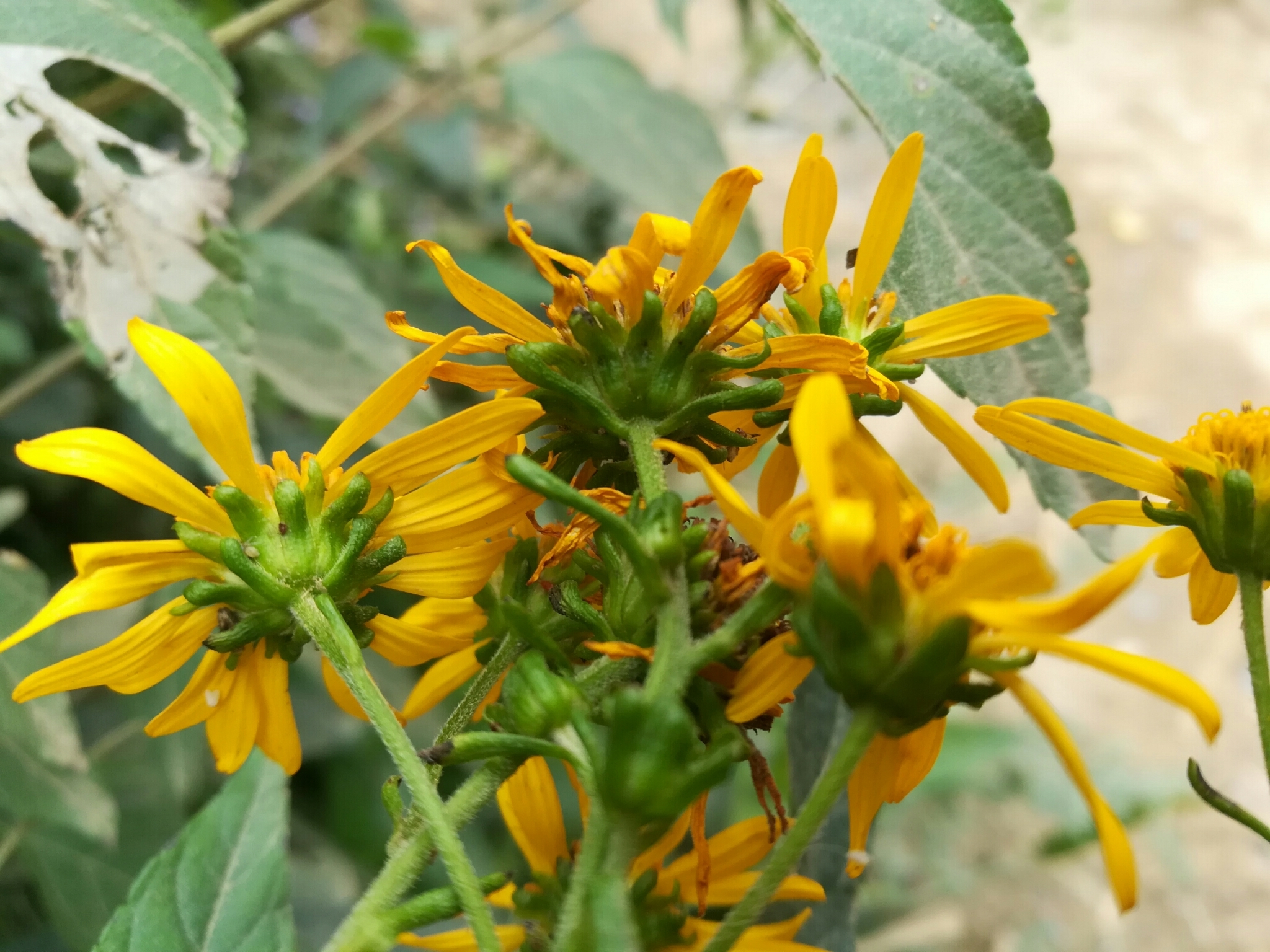
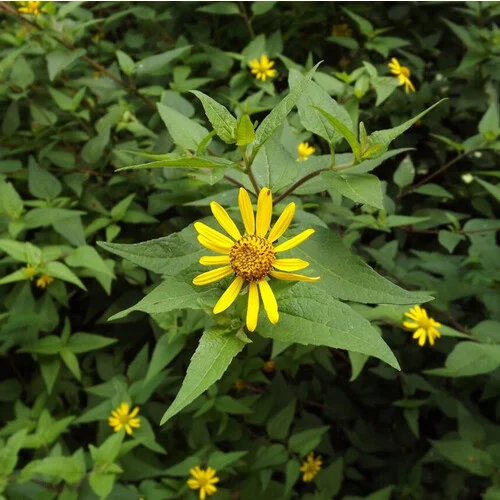
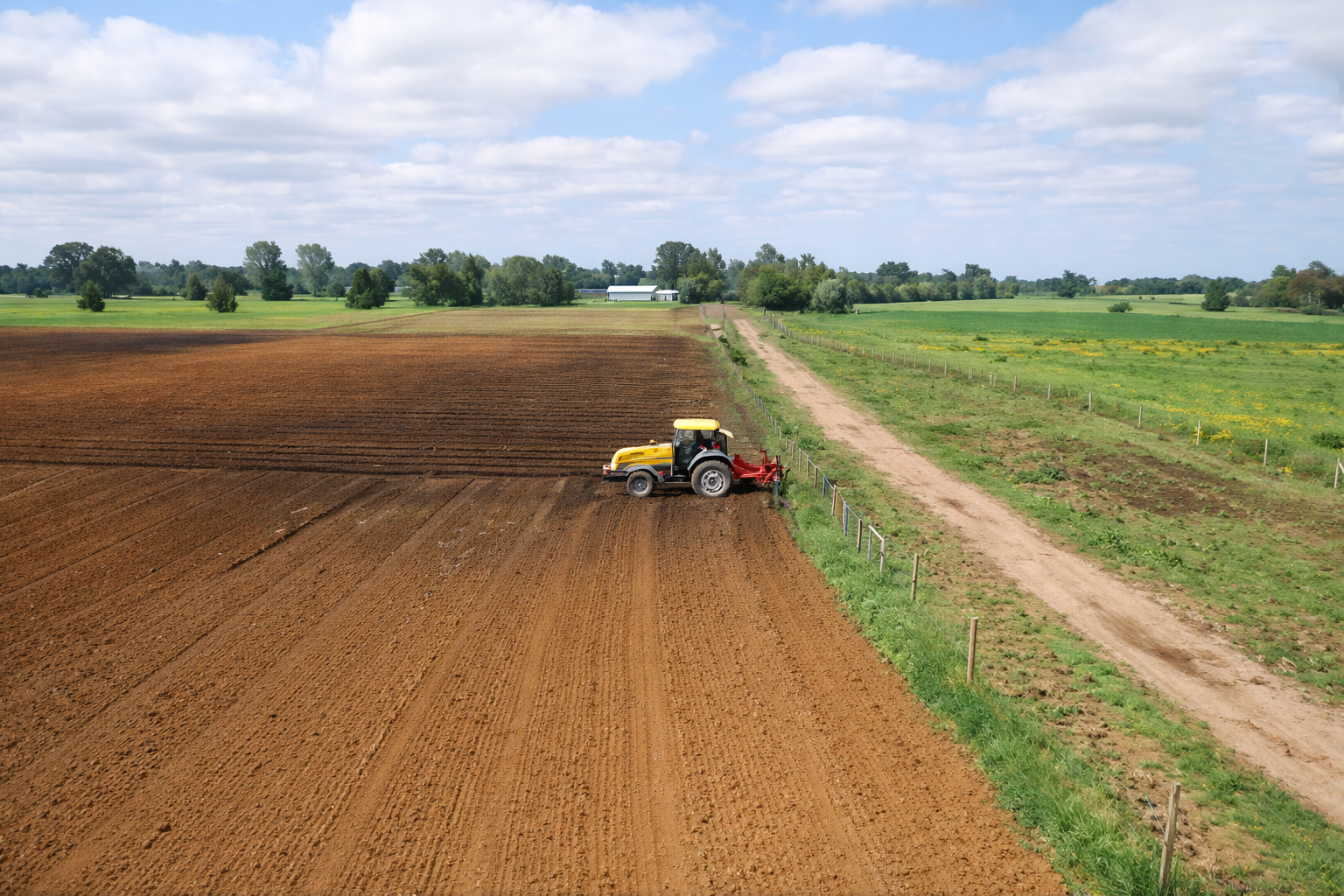
LEPTI-P40™ is derived from Leptocarpha rivularis. Below are cultivation visuals for transparency and origin context.
Selected references
References below are provided for educational purposes to illustrate areas of research related to botanical composition, analytical characterization, traditional preparation context, and quality documentation. They are not presented as evidence of disease treatment or prevention.
We do not link studies next to specific claims on consumer pages to avoid overinterpretation or implied disease claims. Study types are labeled so readers can interpret them appropriately (analytical / preclinical / documentation).
A technical discussion of polyphenol absorption and dosing cadence considerations, presented as general scientific context.
Documentation of traditional preparation and food-form consumption context (e.g., infusion/tea-style use) for cultural and historical reference.
Manufacturer documentation regarding Non-GMO status and allergen controls (quality and compliance context).
Identity/specification summary including handling, storage, and quality parameters intended for professional review.
High-resolution analytical profiling used to characterize botanical constituents and antioxidant capacity in laboratory assays.
Reference included for broader scientific context related to botanical research approaches and literature review.
Extraction methodology and characterization work supporting how botanical fractions can be produced and analyzed.
Botanical extract composition and antioxidant evaluation in laboratory assays. Included for analytical context; outcomes are not presented as clinical evidence.